 Takes 2 minutes


How to Design a Hybrid Office in Belgium: Strategy and Effective Implementation
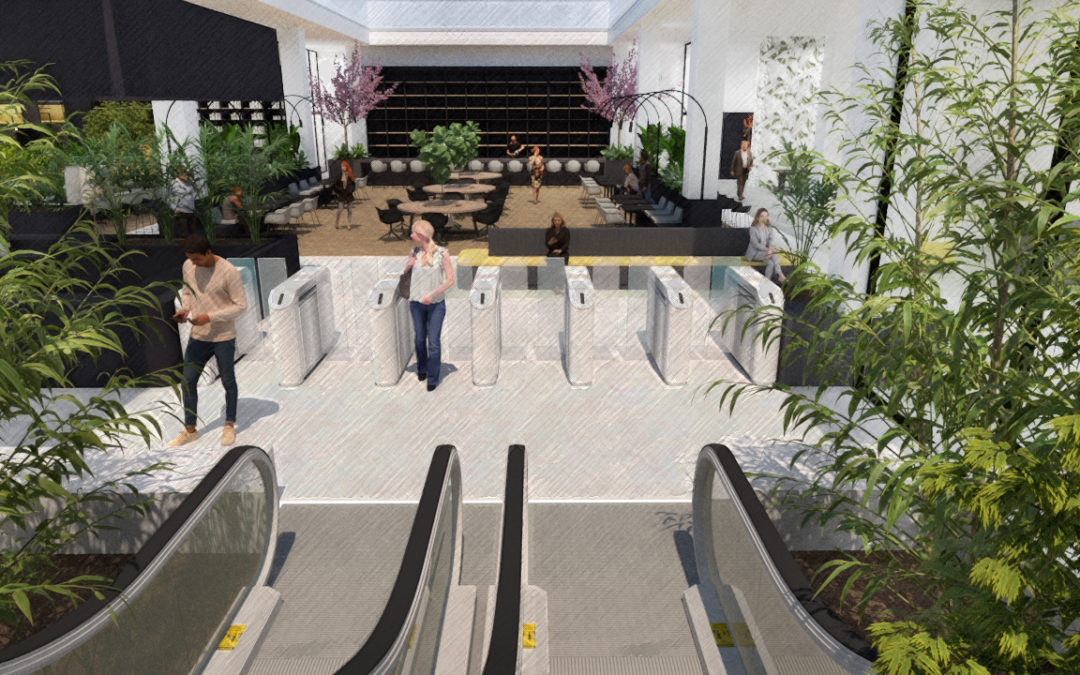
If you are interested in the hybrid office in Belgium, you have probably noticed one thing: nothing is ever simple in our small kingdom. Between linguistic realities, sometimes acrobatic mobility, regulations, work habits, regional sensitivities and team preferences, creating an efficient workplace almost feels like a national sport. And if ESG challenges are added on top, the equation becomes even more strategic. Yet a well thought out space transformation can completely change a company’s dynamics and give it a real competitive edge.
Welcome to a world where hybrid work has become the norm, where employees want a better work life balance, and where companies must deal with a multitude of challenges, but also with major opportunities.
This article guides you with realism and expertise through the concrete challenges of designing an office that truly works, taking Belgian specificities into account and offering a few inspiring examples. And if you are looking for an office solution that truly makes a difference, you will see how Meraki can support you with a deeply human approach.
Understanding the hybrid office
Definition and characteristics
The office is no longer a fixed place where people type on a screen while watching the clock and hoping for the end of the workday. It has become a place for meeting, exchange, creativity and collaboration. Hybrid work combines office work and remote work, allowing employees to split their time between the company and their home, and sometimes also a café, a train or an airplane.
An effective hybrid work model relies on a clear setup, a way of working adapted to each individual reality, genuine respect for individual needs and, above all, organic and strategic interaction. It is a new way of working that requires some learning, but offers enormous potential to reinvent and improve our workplaces.
Benefits for Belgian companies
In Belgium, hybrid work became established after the pandemic, with a strong increase in demand for flexibility. Companies that adopt it intelligently observe:
• better productivity,
• increased attractiveness for talent,
• a reduction in absences linked to fatigue or traffic,
• a stronger sense of belonging when the space is well designed,
• a more agile organization, able to adapt,
• and a strengthened ESG component, thanks to reduced commuting and more responsible use of space.
And contrary to common belief, hybrid work does not mean a step backwards in efficiency. On the contrary, it often allows people to refocus their efforts on what really matters, while at the same time companies adopt a more sustainable way of working. Responsible materials, thoughtful energy use: environmental performance becomes a natural consequence of good design.
Specific challenges in Belgium
But the picture is not always rosy. The hybrid office in Belgium faces very local challenges:
- distance between regions, with mobility sometimes remaining an extreme sport,
• linguistic realities, which influence communication and collaboration,
• older buildings that sometimes complicate layout and design,
• deeply rooted habits such as the belief that everyone works better when all are in the same place,
• varied employee expectations, sometimes very different from one site to another.
And above all, managing physical presence when not everyone is in the same place at the same time. This is where the magic of design, training and technology comes into play.
Layout strategy
Creating a good hybrid work environment is not a question of fashion or trends. It is a strategic and human approach.
Defining company needs and objectives
Every company has its DNA, its culture, its ambitions and its aspirations. Before moving a single piece of furniture, it is essential to understand the needs:
• how often do teams need to be present at the office,
• what level of flexibility should be encouraged,
• what types of activities must be supported on site,
• how to guarantee a consistent experience between home and office spaces,
• what role should the office play: meeting place, workstation, innovation space,
• how to integrate ESG commitments into the layout so they become visible and credible.
Without this step, the layout fails. With it, management can establish a clear point of reference.
Designing flexible and ergonomic spaces
Ergonomics is no longer a luxury, it is an essential condition. In a hybrid model, presence may be limited, but it must be high quality.
A good hybrid office includes:
• modular desks to meet a trend that has become central: agility,
• workspaces for focused tasks,
• meeting rooms adapted to hybrid collaboration,
• creative zones where ideas can emerge,
• individual pods for confidentiality.
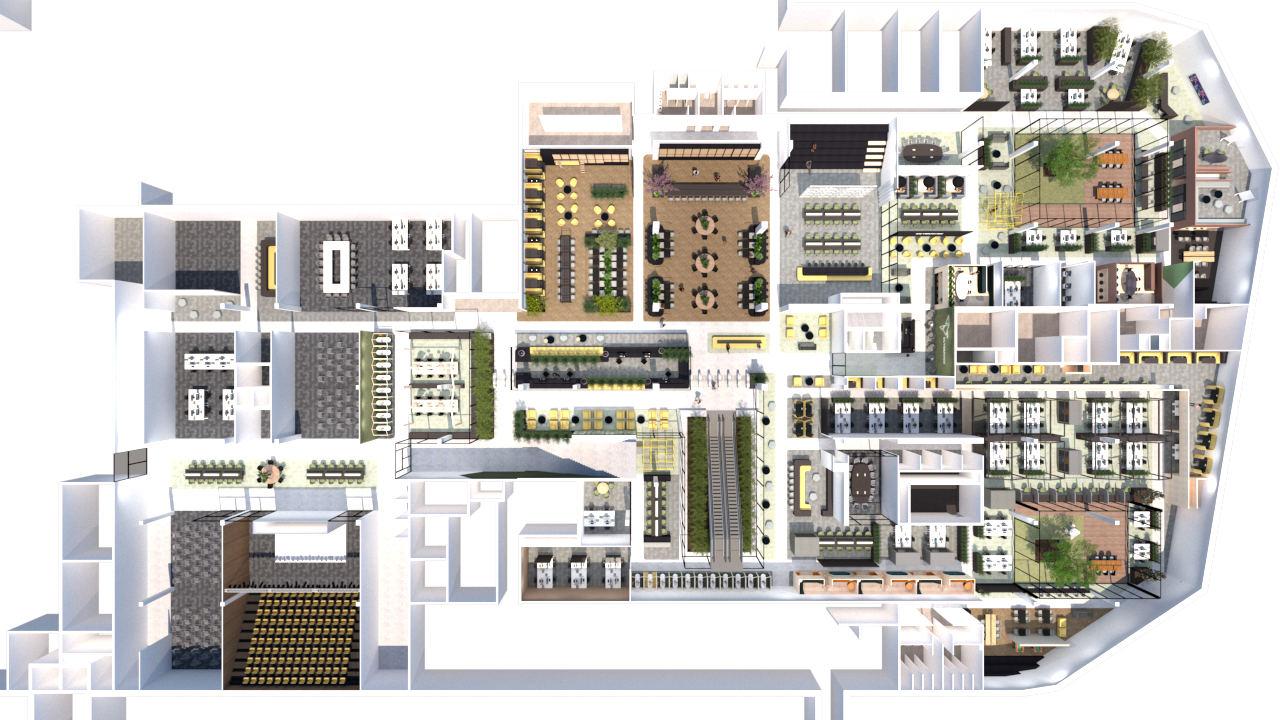
A truly effective office environment is not just about beautiful furniture. It is a living system that is coherent, intuitive and sustainable, which strengthens the environmental component of ESG.
Integrating technology for effective hybrid work
For hybrid work to function, reliable collaboration tools are essential. Nothing is more frustrating than a meeting where half the participants hear an echo and the other half see pixelated faces.
The goal is to create a place where technology and people coexist seamlessly:
• high performance video conferencing systems,
• instant screen sharing,
• smart space booking,
• tools that allow remote work without friction.
Good technological integration also allows:
• a reduction in unproductive working hours,
• better monitoring of actual usage,
• a more sustainable transformation aligned with ESG objectives.
Supporting and inspiring teams through space
Layout influences motivation. A good place inspires, reassures, stimulates or supports depending on the moment. Space becomes an active part of culture, and even of company success.
Employers who succeed in their hybrid transition invest as much in people as in technology. The service must be designed as a continuum, whether teams are at home, in the office or on the move.
Designing collaborative and individual zones to stimulate creativity
Creativity rarely emerges in a noisy open space. It appears in adapted zones that encourage communication, spontaneity or, on the contrary, productive solitude.
A well designed hybrid office includes:
• zones for brainstorming,
• inspiring meeting rooms,
• quiet workstations for tasks requiring concentration.
A good place is not created just because it is required. It is created to transform the way people work.
Training and raising awareness among teams on how to use new spaces
A space can be stunning and still remain unused. This is why training and an interaction driven design are essential:
• how to use the equipment,
• how to book spaces,
• how to optimize working time,
• how to respect others in a hybrid work model.
A high performing organization leaves nothing to chance.
Promoting well being, performance and company culture through design
Design is not only aesthetic. It supports performance, facilitates collaboration, reduces stress, strengthens culture and improves work quality.
Good design:
• clarifies flows,
• enhances interactions,
• creates a pleasant and balanced environment,
• boosts productivity and employee comfort,
• ensures consistency with ESG commitments.
This is anything but secondary. It is strategic.
Transforming your hybrid office with Meraki
At this stage, you might be thinking:
“All of this sounds great… but where do we start?”
That is exactly where Meraki comes in.
Creating functional, aesthetic and inspiring spaces
Meraki does not create catalogue offices. We design workspaces adapted to your reality, your needs, your constraints, which are very real in Belgium, and above all to your culture.
Each project is unique, based on:
• organizational analysis,
• listening to employees,
• a deep understanding of work practices,
• a balance between aesthetics and function.
Optimizing collaboration and team comfort
Our teams create places that facilitate collaboration, encourage communication and make people want to come back to the office, even when distance can be a challenge.
We transform static spaces into living, adaptable and modern environments, where every workstation has meaning.
We help companies align their objectives, culture and ESG ambitions, without ever forgetting the human aspect.
Benefiting from Meraki’s expertise to design a hybrid environment adapted to the Belgian reality
With Meraki, you benefit from:
• concrete experience,
• genuine listening,
• coherent action,
• comprehensive support in space planning,
• a service that takes real world conditions into account.
Our goal is to design spaces where everyone can thrive, evolve, perform and feel a true sense of belonging.
Because ultimately, the office is not just a place where we spend the day. It is a space where we create, grow and push ourselves further, a living element at the heart of the company.
Conclusion
The future of hybrid work in Belgium has already been here for some time. Companies that understand it, integrate best practices, listen to their teams and adapt their spaces gain a decisive competitive advantage.
And if you are looking for a reliable, human and creative partner to support you in this transformation, Meraki is here to turn your office into a true engine of success.
A truly structured and independent reflection, intelligent design, seamless technology, a genuine ESG focus and expert support at your disposal to transform the office and make it far more than a physical space, but rather a source of energy, creativity and positive impact.